What Is Chanko Nabe? More Than One Hot Pot Recipe
Chanko is broader than one soup
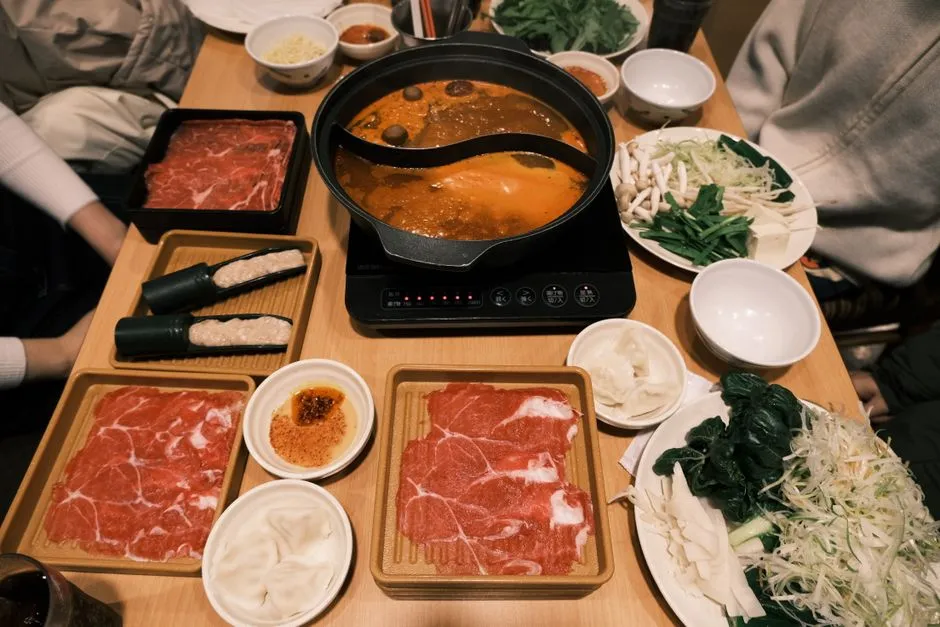
Chanko nabe is a communal Japanese hot pot strongly associated with professional sumo stables. It commonly combines a seasoned broth with protein, vegetables, mushrooms, tofu, and other ingredients, but there is no single universal formula. Soy sauce, salt, miso, chicken, fish, pork, meatballs, and different produce can all appear in versions shaped by the stable and cook.
The chanko context section starts with variation rather than announcing an official recipe from a website that has never swept a stable kitchen.
The word “chanko” does not mean only nabe
The Japan Sumo Association's Japanese-language explanation says chanko can refer broadly to food made by rikishi, or professional sumo wrestlers, and is not limited to hot pot. It also notes that the word's origin has competing theories rather than one settled etymology.
Outside that context, “chanko” is often used as convenient shorthand for chanko nabe, the hot-pot dish many visitors encounter in Ryogoku restaurants, tournament venues, and media about stable life. That popular use is understandable, but the broader sumo usage matters when explaining the food.
Why hot pot suits communal cooking
Nabe can feed several people from one large vessel and accept seasonal or available ingredients. Dense roots begin earlier; tender leaves and tofu join later. Broth, vegetables, mushrooms, and protein become one meal, often accompanied by rice and other dishes.
That practicality helps explain why hot pot is prominent in accounts of stable meals without requiring a claim that every stable serves the same version every day. Stable menus, recipes, responsibilities, and serving customs vary. A home cook can appreciate the format without pretending to reproduce a particular stable's practice.
Common components are choices, not commandments
A chanko-style nabe may include:
- a chicken, fish, kelp, or other broth;
- soy sauce, salt, miso, sake, mirin, ginger, garlic, or citrus seasoning;
- chicken pieces or meatballs, pork, fish, seafood, or tofu;
- napa cabbage, daikon, carrot, burdock, mushrooms, leeks, or greens;
- noodles or rice added as a final course after the main ingredients.
That list describes possibilities, not one shopping requirement. Ingredients carry allergens and dietary implications. Soy sauce often contains wheat; fish-based dashi is not vegetarian; mirin and sake contain alcohol; prepared broths may contain several animal or plant ingredients. Read every label and ask diners directly.
Home recipes need their own identity
A responsible home adaptation should state its broth, protein, yield, pot size, cutting dimensions, cooking order, and safe endpoint. It should not borrow a stable name or imply that a flexible household recipe is “authentic” for all of sumo.
Our chicken chanko-style nabe is one measured soy-and-ginger home version for four; home hot pot covers the cooking logic. It is not a copied stable recipe.
Cook ingredients in stages
Root vegetables need more time than napa leaves, tofu, or scallion greens. Protein pieces need enough space and heat to cook safely. Add dense vegetables first, raw poultry next without splashing, then quicker-cooking ingredients. Keep the pot at the simmer specified by the recipe rather than letting it alternate between a cold crowd and a volcanic audition.
When raw poultry is present, keep its board, knife, plate, and juices away from ready-to-eat ingredients. Use a food thermometer on the thickest pieces. The current USDA minimum for poultry is 165°F (73.9°C), though local guidance may differ.
The final course uses the broth carefully
After the solid ingredients are eaten, some meals finish with noodles or cooked rice in the remaining broth. This closing course is often called shime. The broth must stay safely hot and be handled as a cooked perishable food; communal serving utensils and table time matter.
Do not save broth that has sat outside safe time and temperature limits or been heavily cross-contaminated during service. Cool eligible leftovers promptly in shallow containers. A delicious broth is valuable. It is not diplomatic immunity from food-safety rules.
Chanko nabe is best understood as a family of shared pots within a much broader food culture, not a frozen ingredient list. Respect begins by leaving room for the people who actually cook it to differ.